
How to Tell if Pelvic Floor is Tight or Weak: Complete Assessment Guide
Nearly one in three women experiences pelvic floor dysfunction at some point in their lives, yet many struggle to understand whether their symptoms stem from tight or weak pelvic floor muscles. This distinction isn’t just academic — it’s the key to choosing the right treatment approach and achieving symptom relief.
Understanding how to tell if pelvic floor is tight or weak can save you months of ineffective treatment. While weak pelvic floor muscles need strengthening exercises, tight muscles require relaxation techniques. Using the wrong approach can actually worsen your symptoms.
In this comprehensive guide, you’ll learn to identify the specific signs of each condition, perform simple self-assessment techniques, and understand when to seek professional evaluation. By the end, you’ll have the knowledge to take the first step toward effective pelvic floor health management.
Understanding Pelvic Floor Dysfunction: Tight vs Weak
Your pelvic floor is a group of muscles that form a supportive hammock across the bottom of your pelvis. These pelvic floor muscles play a crucial role in supporting your pelvic organs and maintaining continence. When these muscles don’t function properly, it creates pelvic floor dysfunction.
Pelvic floor dysfunction manifests in two primary ways: underactive (weak) muscles or overactive (tight) muscles. Weak pelvic floor muscles cannot adequately support your pelvic organs like the bladder, uterus, and rectum. This weakness often develops after childbirth, with aging, or due to chronic straining during bowel movements.
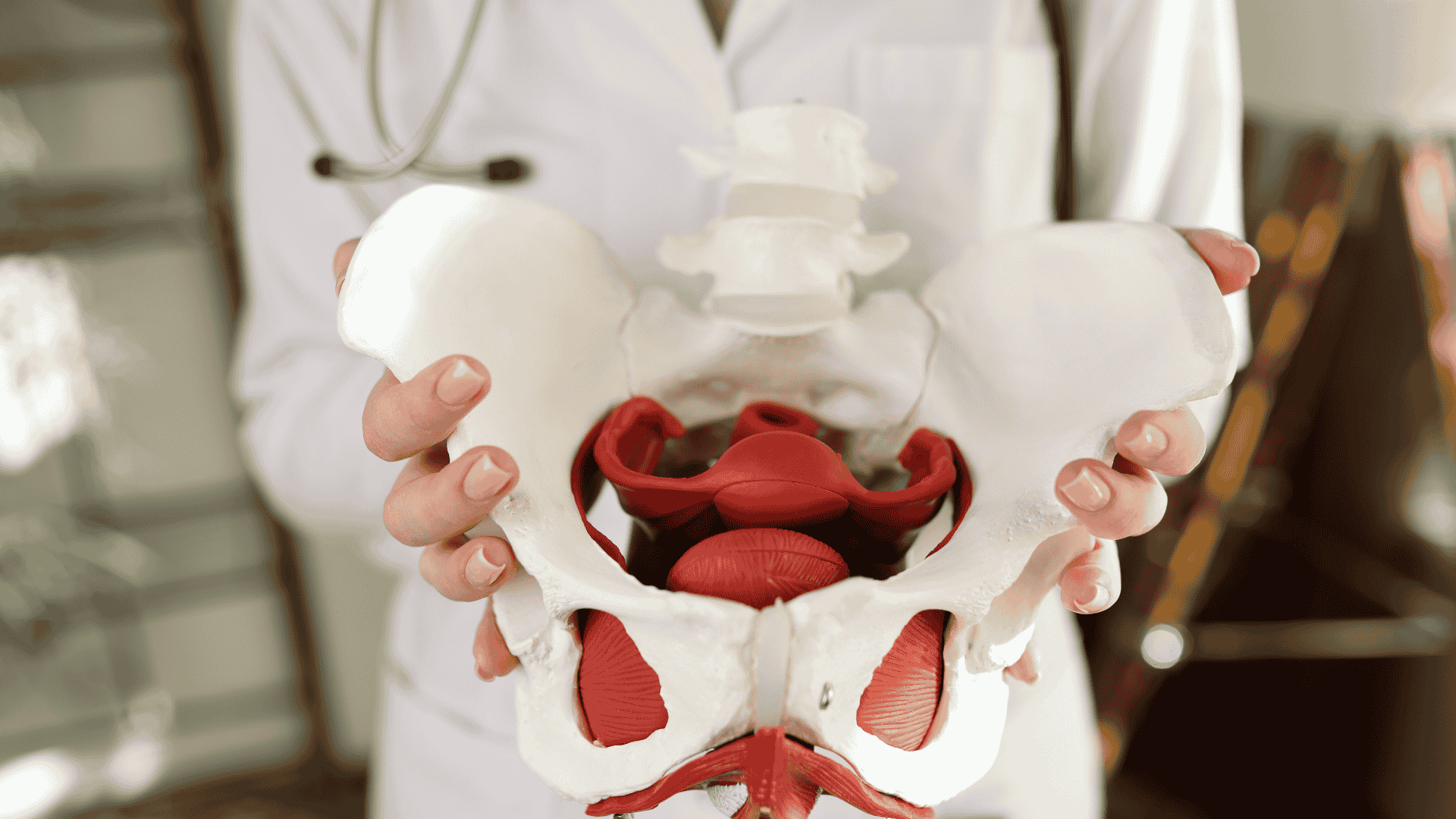
Conversely, tight pelvic floor muscles remain constantly contracted and cannot relax properly. These tense pelvic floor muscles create a different set of problems, including chronic pelvic pain and difficulty with normal bladder and bowel function.
The critical difference lies in treatment approach. Kegel exercises effectively strengthen weak muscles but can worsen tight muscle symptoms by adding more tension to already overactive muscles. This is why accurately identifying your specific type of pelvic floor muscle dysfunction is essential before beginning any treatment plan.
Signs Your Pelvic Floor is Weak
A weak pelvic floor creates distinct symptoms that typically worsen during physical activities or when intra-abdominal pressure increases. The most common signs include:
Urinary Symptoms:
Urinary incontinence during coughing, sneezing, laughing, or physical activity (stress incontinence)
Frequent urinary tract infections due to incomplete bladder emptying
Difficulty fully emptying your bladder
Leaking urine when lifting heavy objects or during exercise
Pelvic Organ Issues:
Pelvic organ prolapse causing a pressure or bulging sensation in the vagina
Feeling like your pelvic organs are falling out or unusually heavy
Bladder prolapse (prolapsed bladder) creating a noticeable bulge
Bowel Function Problems:
Fecal incontinence or difficulty controlling gas
Leaking stool, especially during physical exertion
Difficulty controlling bowel movements during illness
Physical Discomfort:
Lower back pain that worsens with activity
Hip pain related to poor pelvic support
Pain in the pelvic area during physical activities
Weakened pelvic floor muscles often develop gradually, making symptoms easy to dismiss initially. However, these issues typically progress without intervention, affecting your quality of life and potentially leading to more serious pelvic floor disorders.
Signs Your Pelvic Floor is Tight
Overactive pelvic floor muscles create a different symptom pattern characterized by pain, tension, and functional difficulties. Recognizing these signs helps distinguish tight muscles from weakness:
Pain-Related Symptoms:
Chronic pelvic pain that may worsen during menstruation
Tailbone pain or pain when sitting for extended periods
Chronic constipation with associated straining during bowel movements
Urinary Difficulties:
Frequent urination without underlying infection
Sudden urgent need to urinate (overactive bladder)
Difficulty starting urination stream
Incomplete bladder emptying despite feeling full

Bowel Function Issues:
Chronic constipation requiring significant straining
Feeling of incomplete bowel emptying
Pain during bowel movements
Difficulty with normal bowel function
Musculoskeletal Problems:
Hip pain or lower back stiffness
Painful menstrual periods or ovulation
Muscle tension that extends to surrounding areas
Pain that worsens with stress or anxiety
Tight pelvic floor symptoms often fluctuate with stress levels, hormonal changes, and overall muscle tension in your body. Unlike weakness-related symptoms, tight muscle problems typically involve pain as a primary component.
Self-Assessment Techniques
Learning to assess your pelvic floor muscle tone at home provides valuable insight into your condition. These techniques help determine whether you’re dealing with weakness or tightness.
Functional Tests at Home
Several practical tests can reveal pelvic floor function:
Cough Test: Stand with feet shoulder-width apart and cough forcefully. Any urine leakage indicates stress incontinence, typically associated with weakened pelvic muscles.
Tampon Test: Insert a tampon and walk around for 10-15 minutes. A tampon that falls out or feels unsupported suggests pelvic floor weakness or potential pelvic prolapse.
Pain Assessment: Note any pain during sitting or bowel movements. Consistent pain patterns often indicate tight pelvic floor muscles rather than weakness.
Remember that these self-assessments provide preliminary information. Professional evaluation remains essential for accurate diagnosis and appropriate treatment planning.
When Different Symptoms Occur
Understanding when symptoms appear helps distinguish between weak and tight pelvic floor conditions. The timing and triggers for each condition follow distinct patterns.
Weak Pelvic Floor Timing
Weakness-related symptoms typically have specific triggers and progression patterns:
Post-Childbirth Development: Symptoms often emerge or worsen after childbirth, especially following multiple vaginal deliveries. The physical trauma and stretching during delivery can damage pelvic floor muscle fibers and connective tissues, leading to long-term weakness.
Hormonal Influence: Menopause-related hormonal changes significantly affect women by reducing estrogen levels, which weakens pelvic floor muscle tone and supportive tissues. Many women notice increased incontinence or prolapse symptoms during this transition.
Activity-Related Patterns:
Symptoms worsen during physical activities like lifting, jumping, or running
Incontinence episodes increase during illness (coughing, sneezing)
Symptoms may develop gradually over months or years
Weekend warriors often notice symptoms during intense exercise sessions
Tight Pelvic Floor Timing
Overactive pelvic floor muscles show different temporal patterns:
Stress-Related Fluctuations: Pain and dysfunction often worsen during periods of high stress, anxiety, or emotional tension. The pelvic floor muscles respond to psychological stress by increasing muscle tone, creating a cycle of tension and pain.
Cyclical Patterns:
Pain may be constant or cyclical with menstrual periods
Symptoms often correlate with hormonal fluctuations
Bowel and bladder symptoms persist throughout the day
Gradual Onset: Unlike traumatic injuries, tight pelvic floor typically develops gradually through chronic tension patterns, poor posture, or stress responses. Symptoms may start subtly and intensify over time without obvious triggering events.
Professional Assessment Options
While self-assessment provides valuable insights, professional evaluation ensures accurate diagnosis and appropriate treatment planning. Healthcare providers use several specialized assessment methods to evaluate pelvic floor function.
Pelvic Floor Physical Therapy Assessment: Pelvic floor physical therapists perform comprehensive internal muscle examinations using standardized techniques. They assess muscle strength using the modified Oxford Grading System, which rates function from 0 (no contraction) to 5 (strong contraction with lift). This physical exam provides detailed information about muscle tone, trigger points, and coordination patterns.
Urogynecology Evaluation: Urogynecologists specialize in diagnosing complex pelvic floor disorders. They combine clinical examination with advanced testing to identify specific dysfunctions affecting urinary and bowel.

Objective Measurement Technologies:
Urodynamic testing measures bladder and urethral function during filling and emptying
Manometry assesses pressure changes during pelvic floor muscle contractions
EMG biofeedback measures electrical muscle activity and coordination patterns
Advanced Imaging Options:
MRI provides detailed structural information about pelvic organs and muscle anatomy
Ultrasound enables dynamic assessment during rest and muscle activation
Defecography evaluates bowel function and pelvic floor coordination during defecation
These professional assessments often reveal subtle dysfunctions that self-examination cannot detect, particularly when multiple factors contribute to pelvic floor muscle dysfunction.
Treatment Differences Based on Condition
The approach to treating pelvic floor dysfunction depends entirely on whether you have weak or tight muscles. Using inappropriate treatment can worsen symptoms and delay recovery.
Weak Pelvic Floor Treatment
Strengthening approaches form the foundation for treating weak pelvic floor muscles:
Exercise-Based Interventions:
Kegel exercises performed correctly with proper technique and progression
Core strengthening exercises to improve overall pelvic stability
Functional training incorporating proper lifting techniques and posture
Progressive resistance training using specialized equipment when appropriate
Medical Interventions:
Hormone replacement therapy for postmenopausal women to improve tissue quality
Electrical stimulation therapy to activate weak muscles and improve recruitment patterns
Biofeedback training to ensure correct muscle activation
Surgical options like sling procedures for severe stress incontinence cases
Tight Pelvic Floor Treatment
Relaxation and tension-reduction techniques address overactive muscles:
Manual Therapy Approaches:
Pelvic floor stretching and relaxation techniques
Internal trigger point massage therapy to release muscle knots
Myofascial release for surrounding hip and pelvic muscles
Joint mobilization to address related musculoskeletal restrictions
Behavioral Interventions:
Stress management and anxiety reduction techniques
Breathing exercises to promote overall relaxation
Mindfulness training to break tension-holding patterns
Advanced Medical Options:
Botox injections for severe muscle tension cases
Nerve blocks for chronic pain management
Muscle relaxants when appropriate for systemic tension
The key difference lies in direction: weakness requires building strength and endurance, while tightness requires reducing excessive muscle activity and promoting normal relaxation patterns.
When to Seek Professional Help
Knowing when to transition from self-assessment to professional evaluation can significantly impact treatment outcomes and prevent progression of pelvic floor dysfunction symptoms.
Immediate Professional Consultation: Contact a healthcare provider immediately if you experience:
Severe pelvic organ prolapse with visible bulging
Complete inability to control urine or bowel function
Sudden onset of severe pelvic pain
Signs of infection with urinary symptoms
Six-Week Rule: If symptoms persist longer than 6 weeks despite appropriate self-care measures, professional evaluation becomes essential. Many pelvic floor issues resolve with early intervention, but chronic dysfunction requires specialized treatment.

Progressive Symptom Patterns: Seek help when:
Symptoms worsen over time despite conservative measures
Quality of life becomes significantly impacted
Multiple pelvic floor symptoms occur simultaneously
Previous treatments have failed to provide relief
Specialized Provider Options:
| Provider Type | Best For | Services Offered |
|---|---|---|
| Pelvic Floor Physical Therapists | Muscle dysfunction, pain | Manual therapy, exercise prescription |
| Urogynecologists | Complex dysfunction, prolapse | Surgical options, medical management |
| Urologists | Bladder-focused issues | Incontinence treatment, testing |
| Colorectal Specialists | Bowel dysfunction | Defecation disorders, surgical options |
Treatment Success Factors: Early intervention dramatically improves treatment success rates. Research shows that pelvic floor physical therapy achieves 70-80% improvement rates when started within the first year of symptom onset. Combining self-assessment knowledge with professional evaluation ensures you receive appropriate, targeted treatment from the beginning.
Don’t accept urinary incontinence or chronic pelvic pain as normal parts of aging. These symptoms represent treatable conditions with excellent outcomes when properly diagnosed and managed.
The combination of accurate self-assessment and timely professional intervention provides the best pathway to restoring normal pelvic floor health and improving your overall quality of life.