
What Exercises Are Used in Sports Physical Therapy?
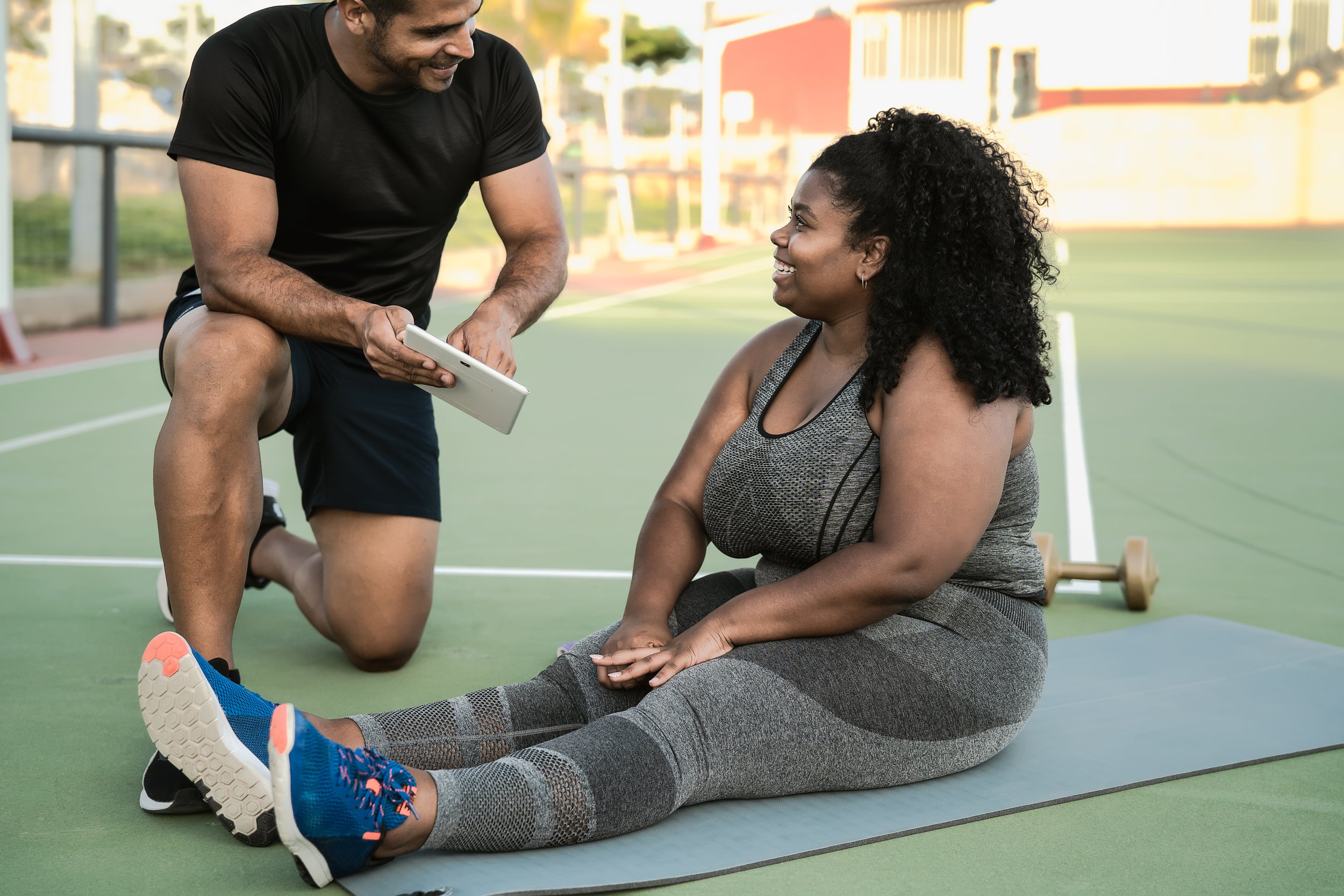
If you’ve been injured, had surgery, or you’re trying to return to your sport safely, it’s normal to wonder: what exercises are used in sports physical therapy? The short answer is that sports physical therapy uses a mix of mobility work, strengthening exercises, balance exercises, stretching exercises, and sport specific drills based on your injury, your goals, and the stage of your recovery.
At Physically FIT in Norton, MA, sports physical therapy is designed to help active people reduce pain, restore function, rebuild confidence, and return to the activities they love. Whether you’re dealing with a shoulder injury, back pain, overuse issues, or you’re working through the rehabilitation process after time away from your sport, the right exercises depend on what your body needs most right now—not on a generic list pulled from the internet.
Why People Search This Question in the First Place
Most people looking up what exercises are used in sports physical therapy want one of a few things:
to know what their appointments might look like
to see whether physical therapy exercises will actually help their injury
to understand how athletes recover safely
to figure out whether they can start with simple movement at home
to learn how a sports physical therapist builds a personalized treatment plan
That’s why this guide breaks down the types of exercises often used in sports physical therapy, what stage of recovery they fit into, and how they support both healing and injury prevention.
Sports Physical Therapy Starts With an Initial Assessment
Before jumping into exercises, a physical therapist begins with an initial assessment and physical examination. At Physically FIT, that means looking at your symptoms, movement patterns, pain levels, strength, mobility, and the demands of your specific sport.
This step matters because a runner with heel pain needs a different plan than a volleyball player with a shoulder injury, and both need something different than someone returning after ACL tears or tennis elbow. The goal is not just pain relief. It’s figuring out why the injury happened, what is limiting normal movement, and what needs to improve to help prevent future injuries.
Early Stage Rehabilitation: Reduce Pain and Restore Motion
In the early stages of recovery, the focus is usually on pain reduction, protecting the injured area, and restoring basic range of motion. These exercises are often gentle and controlled.
Common early-stage physical therapy exercises may include:
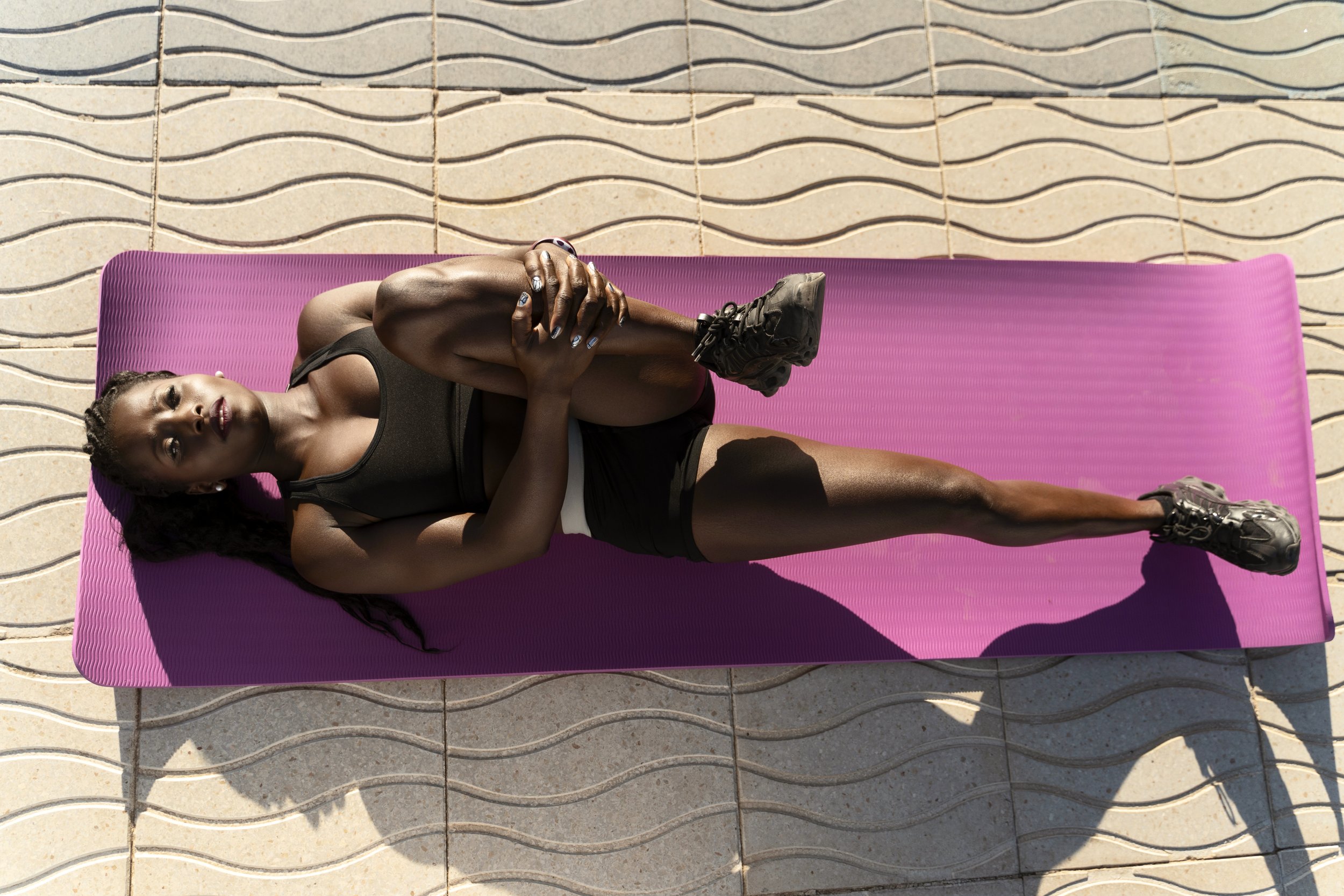
Range-of-motion exercises
These help reduce stiffness and restore movement in a joint or muscle group. Examples may include:
assisted shoulder motion
ankle circles
heel slides
gentle knee bends
spinal mobility work
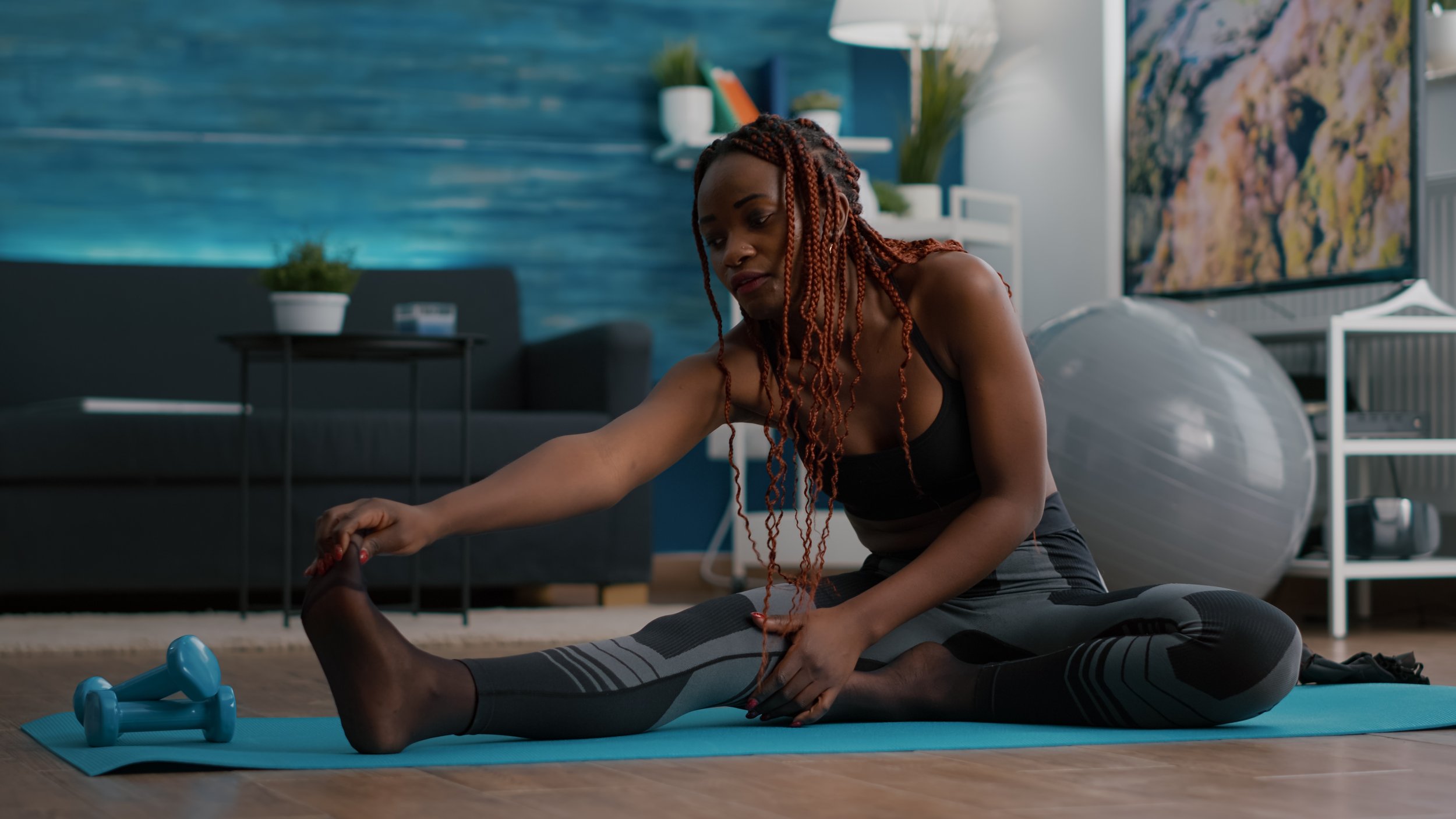
Gentle stretching exercises
Light stretching exercises may be used when tissues feel tight or guarded. The goal here is not aggressive flexibility. It’s safe movement that supports comfort and recovery.

Isometric strengthening exercises
These involve activating muscles without much joint movement. They’re often helpful when the body is not ready for full loading yet.

Low-impact movement for blood flow
Walking, controlled cycling, or other low-impact options may be used to improve blood flow, support the healing process, and help the body stay active without irritating the injury.
In this stage, some patients may also receive manual therapy to improve comfort and mobility. Physically FIT specifically highlights manual therapy techniques as a key part of care, especially for easing pain and helping muscles and joints move better.
Mid-Stage Rehabilitation: Build Strength, Control, and Stability
Once pain is more manageable and movement improves, the focus shifts toward rebuilding strength and coordination. This is where many people start to feel like they are doing “real rehab,” but it still needs to be specific and progressive.
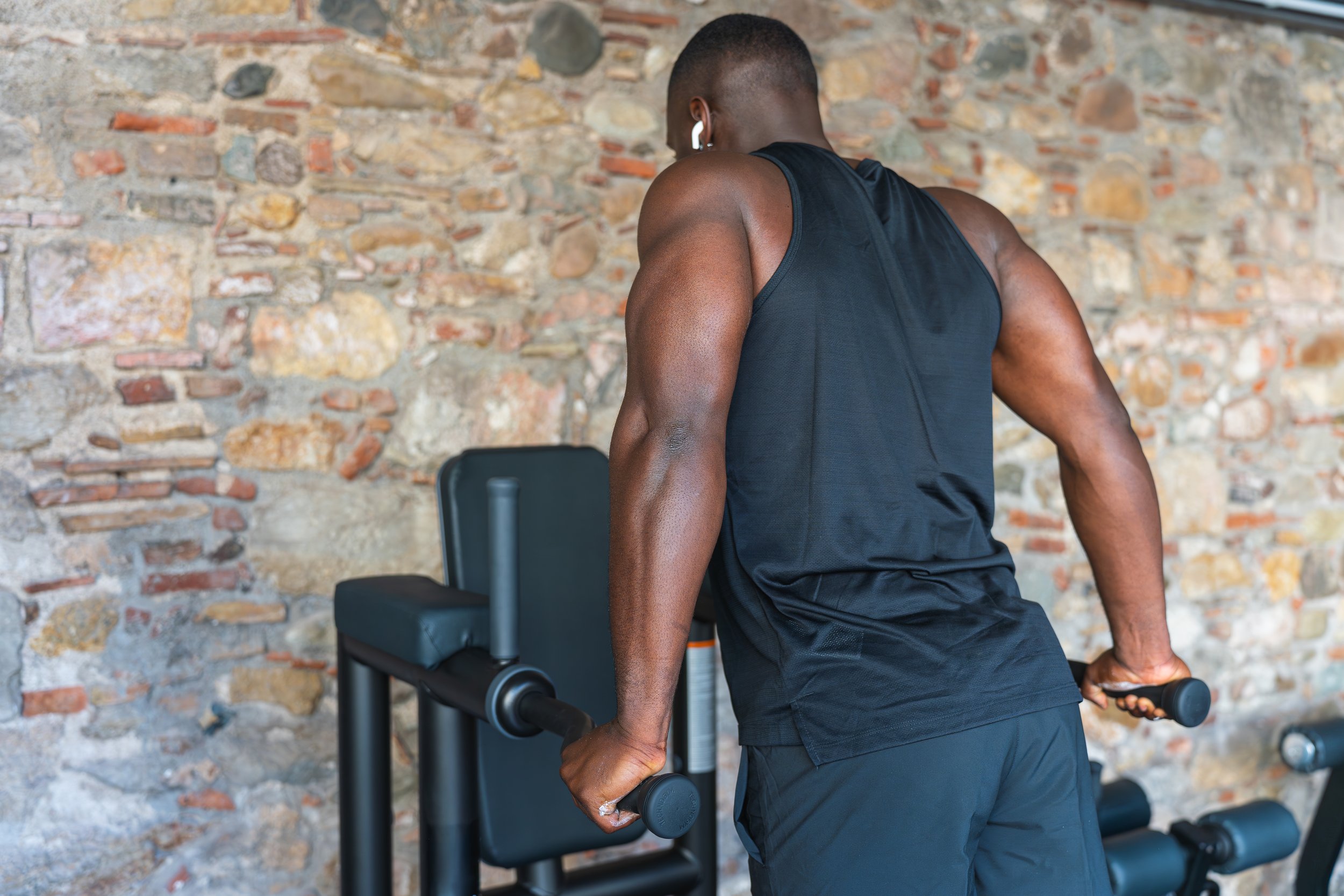
Strengthening exercises
These help rebuild muscle strength and support the injured area. Depending on the injury, this may include:
glute strengthening
quadriceps strengthening
hamstring work
calf raises
rotator cuff strengthening
scapular stability exercises
core control exercises
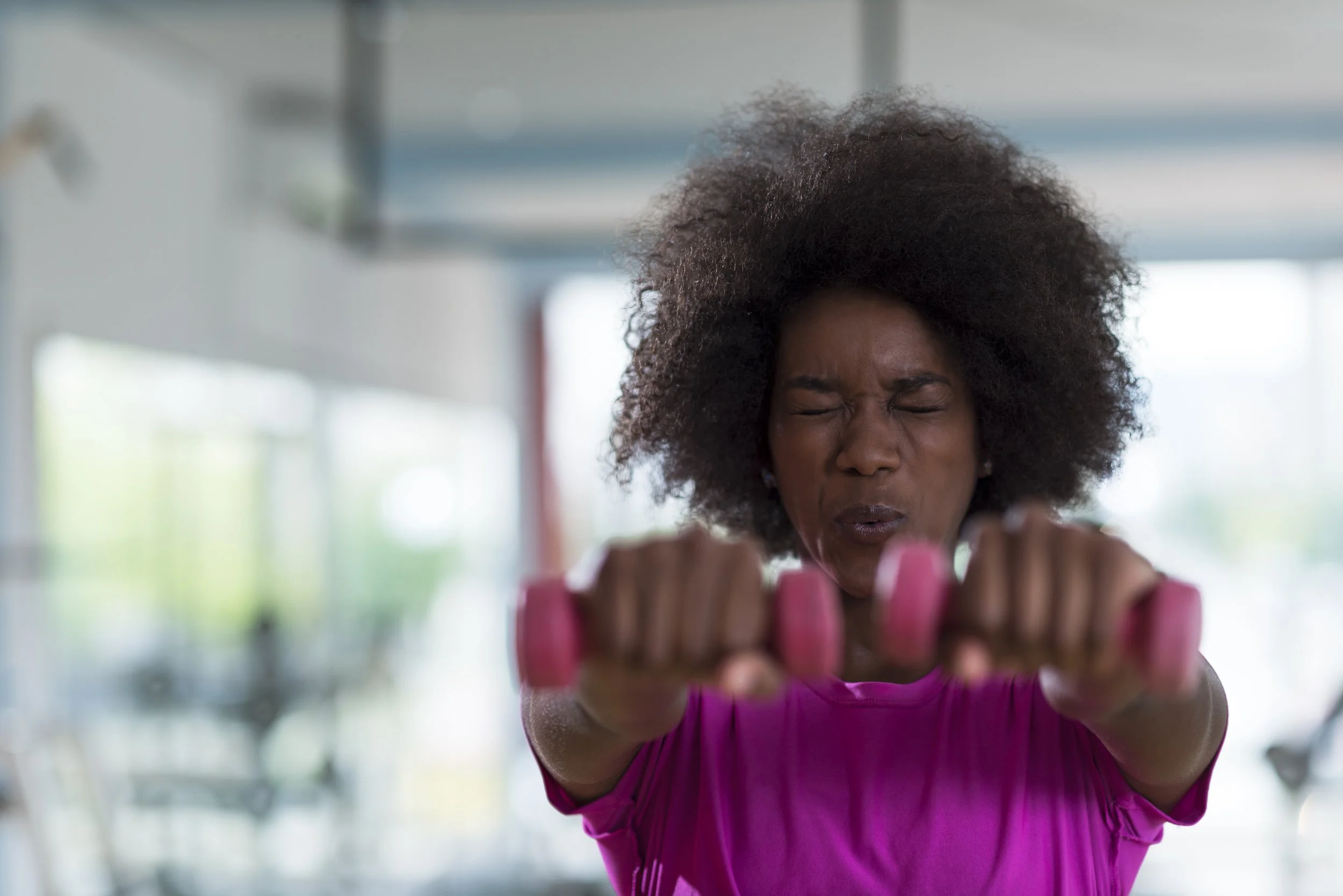
Resistance training
Resistance training may involve bands, cables, dumbbells, machines, or body weight. The goal is to strengthen specific muscle groups that support movement efficiency and reduce overload elsewhere.
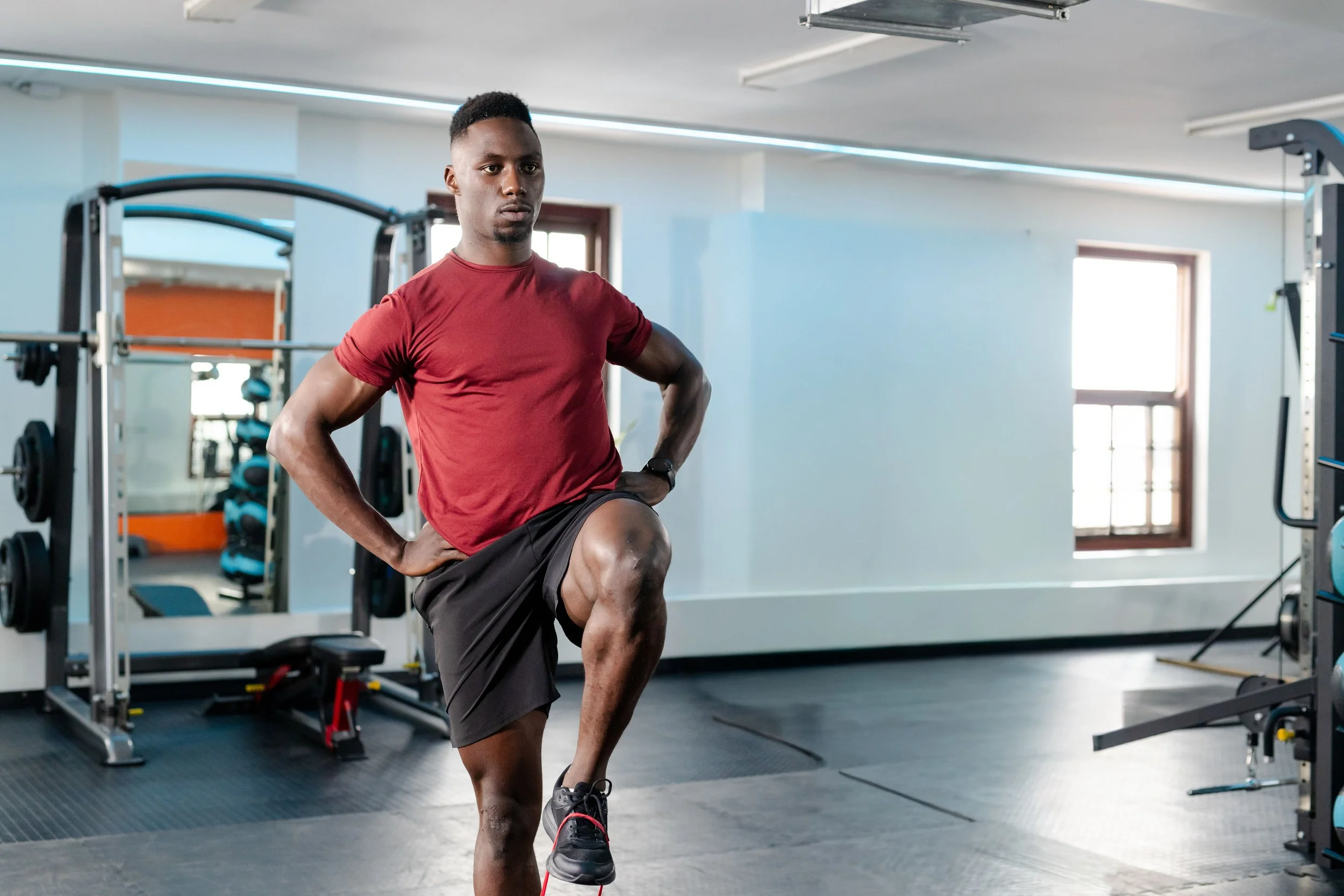
Balance exercises
Balance exercises are a big part of injury prevention strategies, especially for lower-body injuries. These may include:
single-leg standing
unstable-surface balance work
reach patterns
landing control drills

Core and body awareness exercises
A strong trunk supports better force transfer, posture, and control. Core training in sports physical therapy often includes:
anti-rotation holds
bridges
dead bugs
controlled plank variations
These movements also improve body awareness, which matters when retraining form, control, and coordination.
Late-Stage Rehabilitation: Return to Sport and Peak Performance
As healing continues, the exercise plan becomes more dynamic. At this point, the goal is not just to feel better in everyday life. The goal is to prepare for the demands of sport.
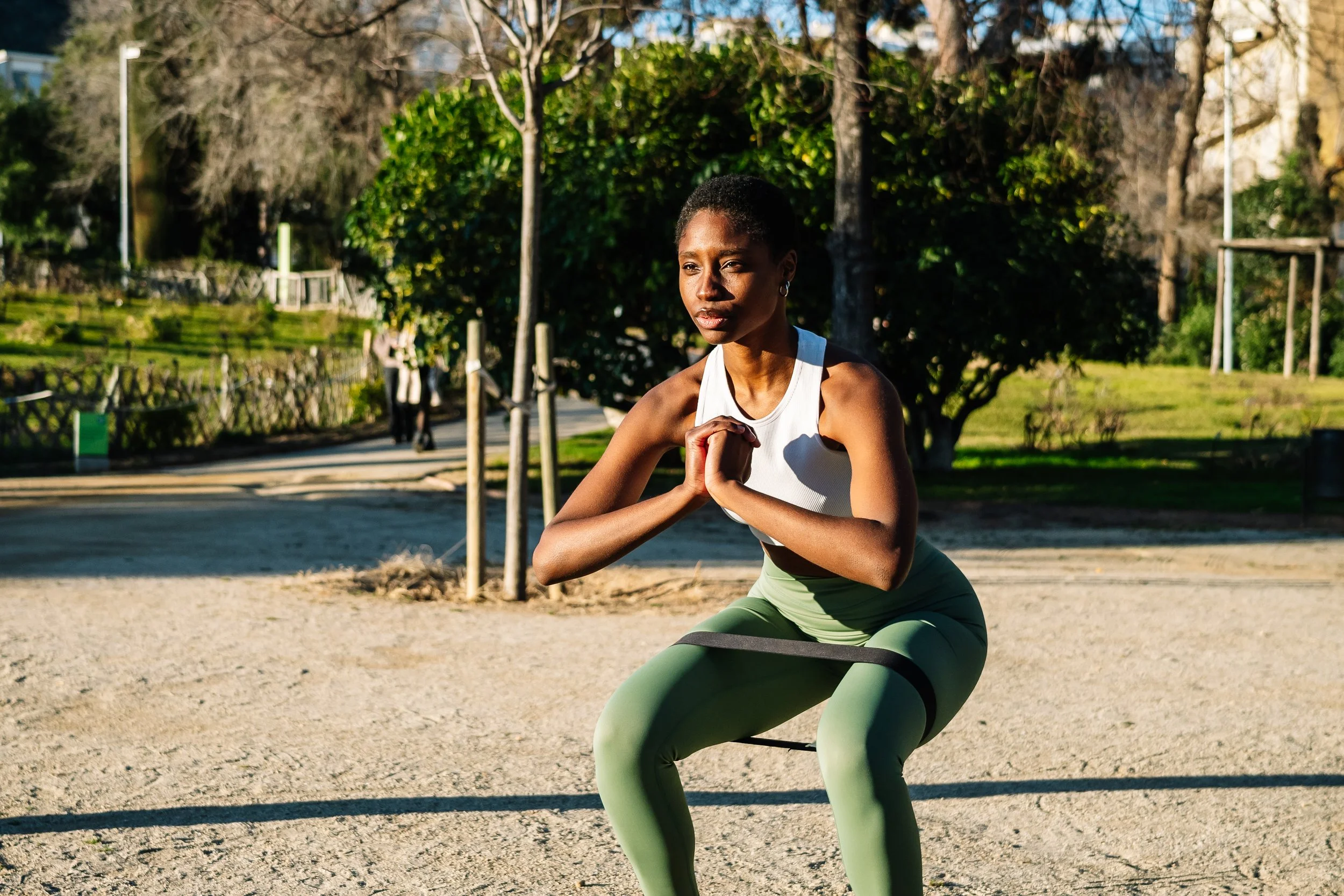
Functional movements
These are exercises that mimic real-life athletic demands. They may include:
squatting
lunging
step-ups
rotational movements
loaded carries
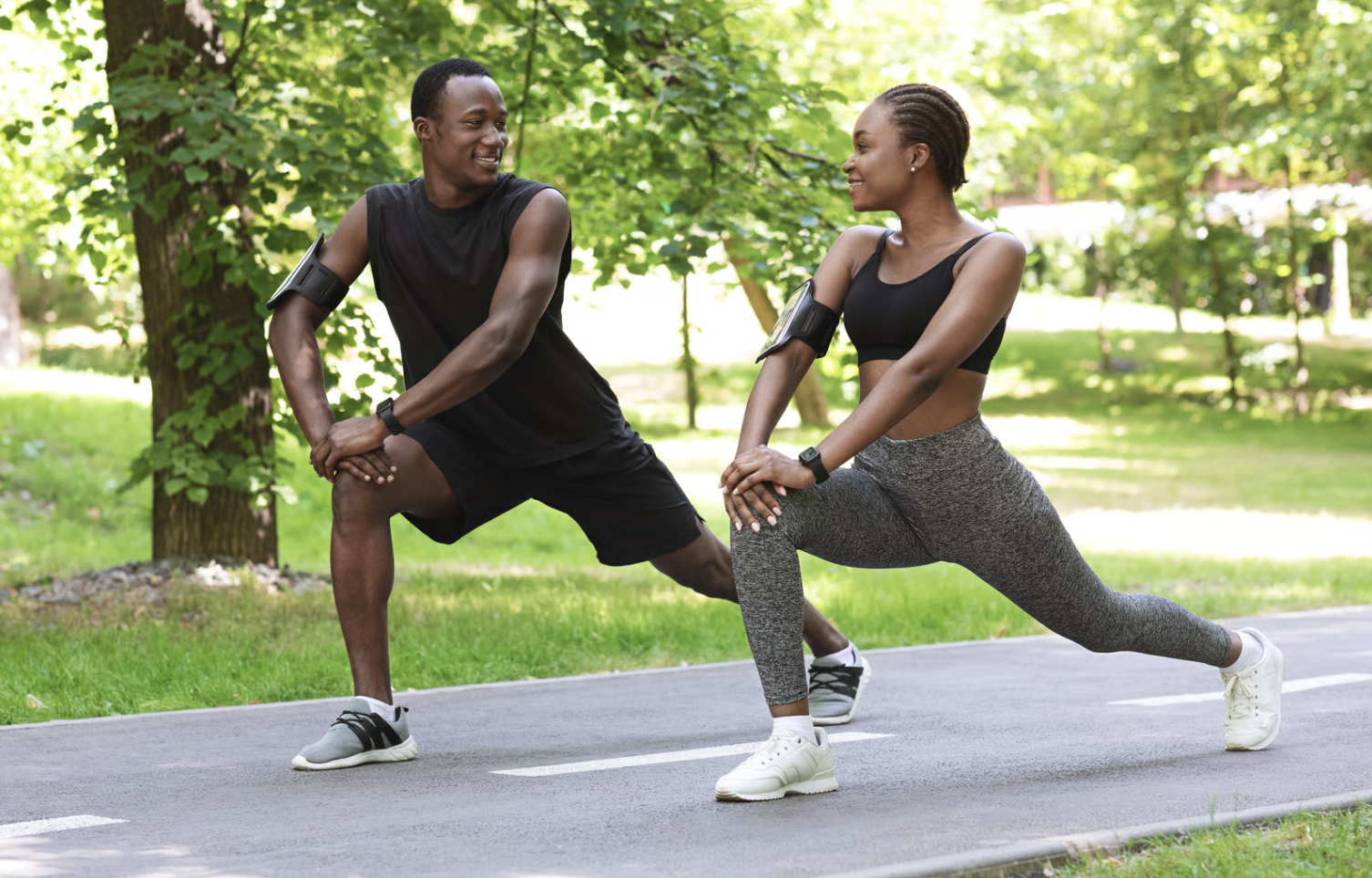
Dynamic stretching
Dynamic stretching uses active, movement-based patterns to prepare the body for athletic activity. This may include:
leg swings
walking lunges
inchworms
arm circles
mobility flows
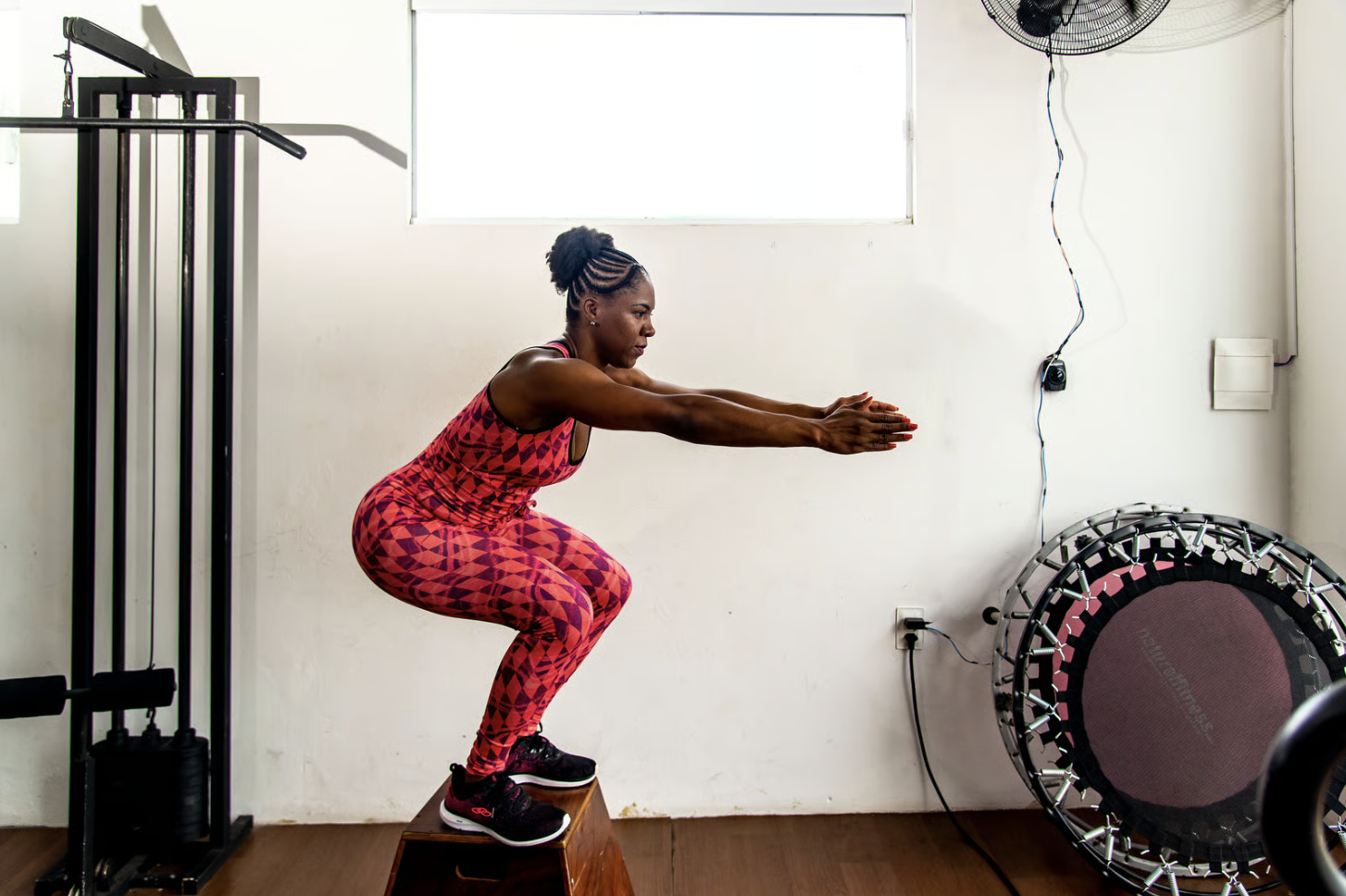
Plyometric exercises
Plyometric exercises help train power, landing control, and reaction. Depending on the athlete and injury, these may include:
jump training
hop progressions
bounding
lateral movements
These are introduced carefully because poor timing or poor mechanics can increase risk of re injury.

Agility and sport specific drills
Before returning to play, athletes often need sport specific drills that match the speed and movement demands of their activity. These may include:
cutting drills
shuffle drills
acceleration and deceleration work
direction changes
shooting drills or return-to-skill progressions for a specific sport
This stage is essential for performance enhancement, injury prevention, and helping athletes return with confidence instead of hesitation.
Common Injuries and the Exercises That May Be Used
Different injuries call for different types of rehab. While no two plans are exactly the same, here are a few examples.
Shoulder injury and rotator cuff injuries
For rotator cuff injuries or other shoulder problems, a sports physical therapist may use:
range-of-motion drills
scapular stabilization
resistance band external rotation
postural strengthening
controlled overhead progressions
ACL tears and knee injuries
For ACL tears and other knee issues, rehab may include:
quad activation
knee extension strengthening
balance training
step-down control
landing mechanics
progressive hopping and agility work
Tennis elbow and repetitive stress injuries
For tennis elbow and other overuse problems, rehab may include:
wrist and forearm strengthening
eccentric loading
grip control exercises
stretching for overworked tissues
movement retraining to reduce repetitive stress
Heel pain and plantar fasciitis
For heel pain and plantar fasciitis, exercises may include:
calf stretching
foot intrinsic strengthening
ankle mobility work
balance exercises
gradual loading for the plantar fascia
Manual Therapy Is Often Paired With Exercise
People often ask whether sports rehab is all exercise. Usually, no. Exercise is a huge part of it, but it often works best alongside manual therapy and education.
At Physically FIT, manual therapy techniques are described as a cornerstone of treatment. Hands-on care can help:
reduce pain
improve joint mobility
relax muscles
make it easier to perform exercises with better movement quality
Exercise builds long-term change. Manual therapy can help open the door.
Do Sports Physical Therapy Exercises Help Prevent Future Injuries?
Yes—when they are part of a well-built plan. A major goal of sports physical therapy is not just helping athletes recover, but helping them prevent future injuries.
That might include:
improving joint mobility
correcting strength imbalances
building better landing mechanics
improving trunk control
teaching better movement patterns
gradually increasing workload instead of doing too much too soon
Injury prevention is especially important for young athletes, active adults, and anyone returning from a prior injury. If the original problem came from poor control, weakness, fatigue, or repeated overload, good rehab should address those issues directly.
Are These Exercises Only for Competitive Athletes?
Not at all. You do not have to be a college athlete or train at peak performance levels to benefit from sports rehab principles.
Sports physical therapy can help:
weekend runners
gym-goers
pickleball and tennis players
high school athletes
adults returning to activity after time off
anyone dealing with movement-related pain from active hobbies
The key is that the plan matches your activity demands and your goals.
What Makes a Good Sports Physical Therapy Program?
A strong program usually includes:
a clear initial assessment
a personalized treatment plan
exercises that match the stage of healing
gradual progression
attention to both recovery and performance
support beyond the clinic through home exercises and education
Physically FIT emphasizes one-on-one care, individualized planning, and support beyond the office. That matters because rehab is not just what happens during an appointment. It also depends on how consistently you perform the right exercises between visits.
When to See a Physical Therapist
If you are dealing with sports injuries, recurring pain, or difficulty returning to training, working with a physical therapist can help you recover more efficiently and more safely.
You should consider being evaluated if:
pain is not improving
your movement feels limited
you keep dealing with the same issue
you want help avoiding future injuries
you are unsure when it is safe to return to sport
you need a structured recovery plan after time away
At Physically FIT in Norton, MA, sports physical therapy combines hands-on care, individualized rehab, and guided exercise progressions to help active people recover and move forward with confidence.
Final Answer: What Exercises Are Used in Sports Physical Therapy?
The best answer is: it depends on the injury, the athlete, and the stage of recovery. But in general, what exercises are used in sports physical therapy includes:
range-of-motion exercises
stretching exercises
strengthening exercises
balance exercises
core stability work
dynamic stretching
resistance training
functional movements
plyometric exercises
sport specific drills
The right combination helps reduce pain, restore function, rebuild strength, and lower the risk of re injury.
If you’re looking for a more personalized answer, the best next step is an evaluation with a provider who can assess how you move and build a plan around your goals.
FAQ: What Exercises Are Used in Sports Physical Therapy?
What exercises are used in sports physical therapy for knee injuries?
Knee rehab often includes range-of-motion work, quad and glute strengthening, balance drills, step-down training, and return-to-sport movements like hopping or agility progressions.
Do sports physical therapy exercises change as you heal?
Yes. The rehabilitation process typically moves from pain reduction and mobility work into strengthening, coordination, and eventually sport-specific activity.
Are stretching exercises enough for sports injuries?
Usually not. Stretching can help, but most athletes also need strengthening, balance work, and movement retraining to fully recover and reduce the risk of re-injury.
Does sports physical therapy include manual therapy too?
Yes. Many treatment plans combine exercises with manual therapy to improve joint mobility, reduce pain, and help the body move more normally.
Can sports physical therapy help prevent injuries?
Yes. A well-designed plan can address movement limitations, weakness, poor mechanics, and other factors that may contribute to future injuries.