
Laser Physical Therapy: How Therapeutic Lasers Support Pain Relief and Healing
Laser physical therapy has gained significant traction in rehabilitation settings over the past two decades as clinicians and patients seek effective, non-invasive approaches to managing pain and supporting recovery. Whether you’re dealing with a stubborn sports injury, navigating post-surgical rehabilitation, or looking for relief from a chronic condition, understanding how therapeutic lasers work can help you make informed decisions about your care.
This guide breaks down what laser therapy is, how it influences healing at the cellular level, which conditions may respond well to treatment, and what to expect during a session at a physical therapy clinic.
Key Takeaways
Laser physical therapy (also called low level laser therapy or deep tissue laser therapy) is a non-invasive treatment that uses specific light wavelengths to reduce pain, calm inflammation, and accelerate tissue repair for common rehabilitation conditions.
Physically Fit PT in Norton, MA uses FDA-cleared therapeutic lasers as part of personalized physical therapy plans, particularly for patients with chronic pain, sports injuries, carpal tunnel syndrome, neuropathic pain, and post-surgical recovery needs.
Laser therapy can address a wide range of conditions — including tendonitis, arthritis, plantar fasciitis, and wound healing — without injections, surgery, or the systemic side effects associated with oral medications.
Sessions are typically quick (often 5–15 minutes for the laser portion), well-tolerated, and performed by licensed physical therapists who are trained in appropriate laser parameters, safety protocols, and individualized dosing.
This article is informational in nature. Readers interested in booking treatment can learn more on Physically Fit PT’s dedicated Laser Therapy Service page at the end of this post.
What Is Laser Physical Therapy?
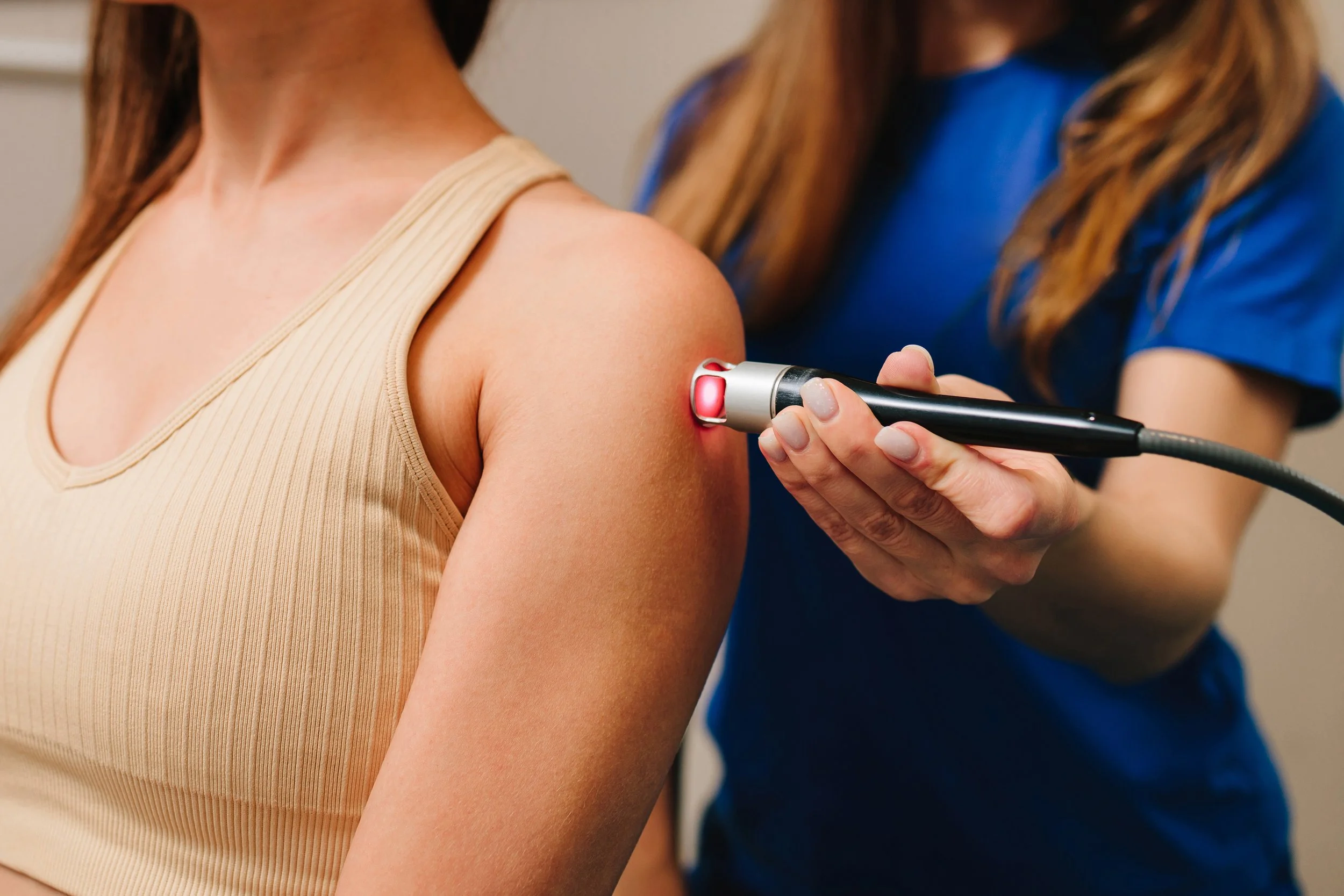
Laser physical therapy refers to the clinical application of focused red or near-infrared light — typically in the 660–905 nm wavelength range — by physical therapists to reduce pain, calm inflammation, and support tissue repair. Unlike surgical lasers that cut tissue or cosmetic devices that generate significant heat, therapeutic lasers used in rehabilitation deliver energy that triggers cellular changes without damaging the skin or underlying structures.
When light photons from the laser penetrate skin and reach target tissues, they initiate a process called photobiomodulation. This is a fancy term for light-induced changes in cell behavior. Rather than cutting or burning, the laser essentially “wakes up” cells and supports their natural repair functions.
You’ll encounter several related terms when researching this treatment:
| Term | What It Means |
|---|---|
| Low Level Laser Therapy (LLLT) | Uses lower-power lasers for superficial tissue treatment. |
| Level laser therapy LLLT | Another way clinicians reference LLLT protocols. |
| Deep tissue laser therapy | Higher-power lasers that can reach muscles, joints, and deeper structures. |
| Photobiomodulation | The scientific term for light-induced cellular changes. |
| Low level light therapy | Similar concept, sometimes includes LED devices. |
At therapeutic doses, this treatment is considered “cold” or non-thermal. Most patients feel gentle warmth or nothing at all during the session — certainly no burning or cutting sensations. This distinguishes laser physical therapy from high-heat surgical and cosmetic procedures, emphasizing its safety and non-invasive nature for rehabilitation purposes.
How Laser Therapy Works in the Body
Laser therapy influences how cells produce energy and respond to injury. Think of it somewhat like how plants respond to sunlight — except in this case, medical-grade light wavelengths are used to promote healing at the cellular level in human tissues.
Here’s the basic mechanism in patient-friendly terms: when laser beams penetrate skin and reach cells, photons are absorbed by structures inside mitochondria (the “powerhouses” of cells). A key target is a molecule called cytochrome c oxidase, which plays a central role in cellular respiration. When this molecule absorbs laser light, it triggers a biological cascade that increases production of adenosine triphosphate (ATP) — the energy currency that cells use to perform their functions.
This boost in cellular energy supports several downstream effects:
Decreased inflammatory chemicals: The laser modulation of cell activity helps reduce proinflammatory mediators, leading to less swelling and irritation in hours to days
Improved microcirculation: Better blood flow brings more oxygen and nutrients to damaged tissues while removing metabolic waste
Enhanced collagen production: Fibroblasts (cells responsible for connective tissue repair) become more active, supporting accelerated tissue regeneration
Promoted cell proliferation: The treatment increases fibroblast cell proliferation and encourages growth of endothelial cells, keratinocytes, and lymphocytes
Different wavelengths of visible light and near-infrared light target different tissue depths. Red wavelengths (around 630–660 nm) work well for superficial structures, while near-infrared wavelengths (800–905 nm and beyond) can reach deeper into muscles, tendons, and joints. This allows therapists to adjust laser parameters based on whether they’re treating a skin wound, a muscle strain, or an arthritic joint.
It’s worth noting that effects are cumulative over a series of visits. Many patients notice early symptom relief, but the healing process continues to build with consistent treatment. Best results typically come after multiple sessions as tissue repair progresses through its natural phases.
Types of Lasers Used in Physical Therapy
Physical therapy clinics use several laser classes and configurations, chosen based on the depth of tissue being targeted and specific treatment goals. Understanding the basic differences can help you know what to expect.
Low Level Lasers (Often Class 3)
Low level laser therapy devices typically operate at power outputs of 500 milliwatts or less. These are often effective for:
Superficial soft-tissue injuries
Minor wounds and skin irritation
Trigger points near the surface
Conditions where shallow penetration is sufficient
Some clinics also use medical-grade LED devices for similar purposes, though these differ technically from true lasers in their light properties.
Higher Power Therapeutic Lasers (Often Class 4)
Deep tissue laser therapy devices operate at higher power densities — sometimes in the watt range rather than milliwatts. This higher power density allows:
Deeper penetration to reach hip, knee, or lumbar spine musculature
Shorter treatment times for equivalent energy delivery
Treatment of conditions affecting structures several centimeters below the skin surface
Combined biostimulation and mild thermal effects that may enhance vasodilation
The choice between lower and higher power lasers depends on the specific condition, tissue depth, and clinical judgment of the treating therapist. Neither is inherently “better” — they’re simply tools suited for different applications.
At Physically Fit PT, only FDA-cleared, rehabilitation-appropriate laser devices are used. Settings are adjusted by licensed clinicians based on each patient’s diagnosis, tissue type, and treatment goals, ensuring the appropriate dose dependent manner for optimal outcomes.
Conditions Laser Physical Therapy Can Help
Clinical evidence and decades of practice support laser therapy as an adjunct treatment for many musculoskeletal pathologies and nerve-related problems commonly seen in outpatient physical therapy. While it’s not a cure-all, laser therapy can be a valuable addition to a comprehensive rehab plan for the right conditions.
Pain Conditions Commonly Treated
Chronic neck pain and low back pain
Osteoarthritis of the knee, hip, and ankle
Shoulder pain and frozen shoulder
Plantar fasciitis
Tennis elbow and other tendonitis presentations
Hip or shoulder bursitis
Temporomandibular disorders (TMD)
Nerve-Related and Repetitive Strain Conditions
Carpal tunnel syndrome
Peripheral neuropathic pain (such as symptoms related to diabetic neuropathy)
Sciatica and radiculopathy-related discomfort
Post surgical pain following procedures that affect nerve function
Sports and Overuse Injuries
Muscle strains and joint sprains
Tendonitis from repetitive activities
Recovery after acute ankle or knee injuries
Post-exercise soreness and delayed onset muscle soreness
Wound and Tissue Healing
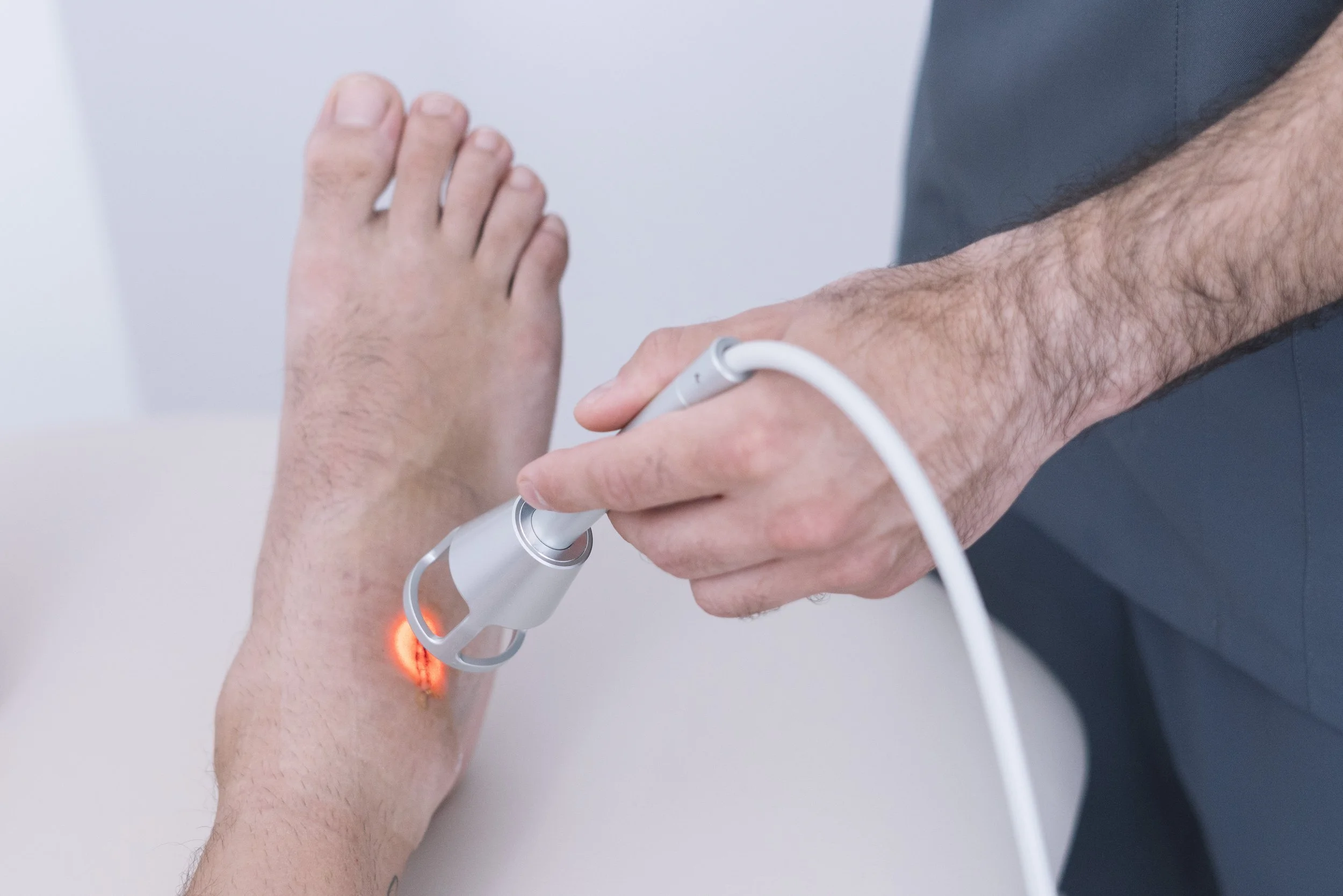
Post-surgical incisions (when cleared by the surgeon)
Stubborn soft-tissue irritation
Lymphedema volume reduction
Superficial wounds where promoting circulation and tissue repair is the goal
Laser therapy can also help reduce tenderness at painful conditions like trigger points, relax contracted muscle fibers, and reduce edema in swollen tissues.
It’s important to note that not every patient or diagnosis is a candidate for laser treatment. At Physically Fit PT, decisions about incorporating laser therapy are based on individual evaluation, patient goals, current evidence, and relevant safety guidelines.

Benefits of Laser Therapy in Physical Rehabilitation
Laser therapy is typically used to complement — not replace — the core elements of physical therapy: therapeutic exercise, manual therapy, and patient education. When incorporated thoughtfully into a treatment plan, it offers several potential advantages.
Pain Relief
Many patients experience meaningful reduction in pain scores, often noticed within the first few sessions. Research suggests laser therapy can induce analgesia through multiple mechanisms:
Stimulating endorphin release
Activating the gate control mechanism where pressure waves inhibit free nerve endings
Reducing inflammatory chemicals that sensitize pain receptors
For some musculoskeletal pain conditions, studies have shown effects comparable to common oral pain relievers — but without the systemic side effects, addiction risks, or need to pass medication through the digestive system.
Anti-Inflammatory Effects
Laser therapy helps reduce inflammation by:
Decreasing proinflammatory mediators at the cellular level
Restoring normal capillary permeability
Supporting angiogenic factor production for improved vascular supply
Promoting vascular endothelial growth factor and growth factor beta secretion
The result? Less swelling, reduced joint stiffness, and improved tolerance for movement when tissues are less irritated.
Tissue Healing Support
The photobiomodulation process supports tissue repair in several ways:
Low level laser influences faster progression through the phases of wound healing
Enhanced collagen organization may improve tendon and ligament repair quality
Better scar tissue organization can lead to more functional healing
The treatment reduces cell death in damaged tissues, helping preserve viable cells
Functional Gains
When pain and inflammation decrease, patients often experience:
Improved range of motion
Better ability to participate in therapeutic exercise
Earlier return to activities like walking, work tasks, or sports
Enhanced outcomes from other treatments like manual therapy or strengthening
Non-Invasive Nature
Perhaps most appealing to many patients: laser therapy involves no injections, no incisions, and no downtime. It’s considered a safe adjunct to other treatments when performed correctly, with typically very minimal risk of adverse effects.
What a Laser Therapy Session Looks Like at Physically Fit PT
Sessions are performed in the Norton, MA clinic by licensed physical therapists as part of one-on-one visits. The experience is straightforward and comfortable for most patients.
Before Treatment Begins
Your therapist will conduct an initial evaluation that includes:
Review of your medical history
Discussion of your goals and current symptoms
Physical examination of the affected area
Determination of whether laser therapy is appropriate for your specific situation
During the Treatment
The typical process looks like this:
You’ll be positioned lying down or sitting comfortably with access to the target area
Skin is exposed over the treatment region (no special preparation needed)
Both you and the therapist wear appropriate safety spectacles to protect eyes from laser light
The therapist applies a handheld laser device, moving it in gentle, slow motions along muscle fibers or holding it over specific points
Treatment continues for the prescribed duration based on your condition and the energy dose needed
What You’ll Feel
Most patients exposed to therapeutic laser during treatment report:
Mild warmth in the treated area (especially with higher-power devices)
Gentle tingling sensation
Or simply nothing at all
There should be no burning, cutting, or painful sensations. If you experience discomfort, let your therapist know immediately so they can adjust parameters.
Session Length
The laser portion of treatment typically takes 5–15 minutes focused on the target area, though this varies based on the size of the treatment region and power settings used. This is usually incorporated into a standard physical therapy appointment that may also include exercises, stretching, manual therapy, or other interventions.
After Treatment
You can typically return to normal activities immediately after laser therapy. There’s no recovery time needed. Your therapist may combine the session with home exercise instruction, ergonomic education, or lifestyle recommendations to maximize your results.
Safety, Contraindications, and Side Effects
Therapeutic laser has been studied and used clinically for over forty years, and it’s considered safe when applied under proper clinical guidelines by trained practitioners.
Key Safety Practices
Physical therapists follow established protocols including:
Use of appropriate safety spectacles to protect eyes from direct or reflected laser beams
Avoiding direct laser exposure to eyes (both patient and therapist)
Adherence to manufacturer specifications and professional association dosing recommendations
Careful documentation of treatment parameters and patient response
Contraindications
Certain situations require caution or avoidance of laser therapy:
| Contraindication | Reason |
|---|---|
| Known primary carcinoma or active cancer sites | May potentially stimulate tumor cell activity. |
| Secondary metastasis areas | Same concern as primary tumors. |
| Direct treatment over a developing fetus | Unknown effects on fetal development. |
| Active hemorrhage sites | May affect clotting or bleeding. |
| Epileptic patients (in some cases) | Precautionary measure, especially with pulsed lasers. |
| Patients undergoing chemotherapy or radiation therapy | Requires medical clearance. |
| Photosensitive conditions or medications | Increased risk of skin reactions. |
| Areas near lymph nodes with active malignancy | Precautionary measure. |
Individuals with implanted electronic devices, recent radiation therapy, or a history of seizures require special consideration and medical clearance before treatment.
Side Effects
When low level laser irradiation is applied correctly, side effects are rare and typically mild:
Temporary soreness in the treated area
Brief symptom flare that resolves within 24–48 hours
Mild skin warmth that dissipates quickly
Serious complications are uncommon when treatment is performed by trained practitioners following established guidelines. Unlike some other treatments, laser therapy does not carry addiction risks or the systemic concerns associated with long-term medication use.
At Physically Fit PT, therapists review medical history in detail and discuss risks and benefits before beginning laser therapy. This ensures patients can make informed decisions about their care.
Evidence and Research on Laser Physical Therapy
A growing body of research supports laser therapy for certain musculoskeletal and pain conditions, though some areas still need higher-quality studies to establish definitive protocols.
What the Research Shows
Systematic review analyses and randomized controlled trials — including many placebo controlled trial designs using placebo devices — have demonstrated benefits for:
Knee osteoarthritis pain and function
Chronic low back pain
Certain tendinopathies (Achilles, patellar, lateral elbow)
Neck pain from various causes
Temporomandibular disorders
Publications in journals like Lasers Med Sci, Lasers Surg Med, and Photomed Laser Surg have documented positive outcomes when appropriate laser parameters are used.
Dosing Guidelines
Organizations such as the World Association for Laser Therapy (WALT) and the North American Association for Photobiomodulation Therapy have published dosing guidelines based on available evidence. Research suggests that adherence to these evidence-based protocols improves treatment outcomes compared to arbitrary dosing.
Important Caveats
Results can vary based on:
Wavelength selected (different tissues respond to different light frequencies)
Power output and treatment duration
Energy density delivered (measured in joules per square centimeter)
Specific diagnosis and chronicity of the condition
Low frequency versus higher frequency pulsing patterns
This variability is why individualized protocols developed by trained clinicians are important. A systematic review may show average benefits, but your specific response depends on proper dosing for your situation.
Current Status
Laser therapy received FDA clearance in the United States in 2005 for Class IV therapeutic devices. The indication is for temporary relief of muscle and joint pain and stiffness, as well as for promoting circulation and palliative relief of minor aches.
Many clinicians now consider therapeutic laser a valuable adjunct rather than an experimental tool—one component of a comprehensive approach that includes exercise, manual therapy, and patient education. It’s best viewed as one evidence-informed option within a complete rehabilitation plan rather than a standalone cure.
Laser Therapy as Part of a Complete Physical Therapy Plan
Laser therapy works best when integrated with a broader rehabilitation strategy tailored to each patient’s specific needs and goals. It’s a tool, not a complete solution on its own.
How Physically Fit PT Integrates Laser Treatment
Therapists combine laser sessions with:
Targeted strengthening exercises to build stability and support
Mobility work to restore range of motion
Balance training where appropriate
Manual therapy techniques like soft tissue mobilization
Movement retraining to address compensatory patterns
When Laser Therapy Is Most Helpful
Laser can be particularly valuable early in care when:
Pain levels are high enough to limit participation in therapeutic exercise
Inflammation is interfering with movement quality
Patients need effective treatments that don’t involve medication side effects
Reducing swelling will allow better access for manual therapy techniques
Progression Over Time
As symptoms improve through the healing process, treatment focus typically shifts:
Early phase: Pain management, inflammation control, protect healing tissues
Middle phase: Restore mobility, begin strengthening, improve function
Later phase: Build strength, improve posture and movement patterns, reduce recurrence risk
Laser therapy may continue throughout this progression or be used primarily in earlier stages—depending on patient response and clinical reasoning.
The Role of Home Care
In-clinic laser treatments are enhanced by:
Consistent home exercise programs
Ergonomic modifications at work or home
Lifestyle strategies like activity pacing and stress management
Following guidance about gradually returning to activities
This comprehensive approach — combining professional treatment with patient self-management — typically produces more durable results than any single intervention alone.
Considering Laser Physical Therapy in Norton, MA
Residents of Norton, Mansfield, Attleboro, and surrounding Massachusetts communities can access laser therapy at Physically Fit PT without traveling to a large hospital system. The practice offers convenient local access to this technology as part of personalized rehabilitation services.
What to Expect at Physically Fit PT
The practice emphasizes:
Personalized, one-on-one care for patients of all ages
Physical therapists experienced in using laser for chronic pain, sports injuries, and post-surgical rehabilitation
Integration of laser therapy with comprehensive treatment plans including exercise, manual therapy, and education
Careful attention to safety protocols and individualized dosing
Getting Started
During an initial visit, your therapist will determine whether laser is likely to help based on:
Your specific diagnosis
Treatment goals
Complete medical history
Current evidence for your condition
Any contraindications that might apply
This evaluation ensures that laser therapy—if recommended—is appropriate for your situation and integrated meaningfully into your overall plan of care.
Important Reminder
This blog post is educational only and not a substitute for an in-person evaluation. Individualized clinical decision-making requires a thorough assessment by a licensed professional who can examine you directly, review your complete history, and develop a treatment plan specific to your needs.
Ready to Learn More?
If you’re curious whether laser therapy might support your recovery, the next step is connecting with Physically Fit PT directly. You can learn more about specific treatment options, scheduling, and what to expect on their dedicated service page:
FAQ: Laser Physical Therapy
-
Response time varies based on individual factors. Some patients notice temporary relief or improvement after just 1–3 sessions, especially with recent soft-tissue injuries where inflammation is a primary driver of symptoms. Chronic conditions that have been present for months or years often require a longer series of visits—typically 5–15 sessions over several weeks—before meaningful, lasting improvement occurs.
Factors influencing response time include how long symptoms have been present, overall health status, severity of the underlying condition, and how consistently patients follow their full physical therapy plan including home exercises. Therapists at Physically Fit PT regularly reassess symptoms and function to ensure laser therapy is providing meaningful benefit and adjust the approach if needed.
-
No. Laser therapy does not replace strengthening, stretching, or hands-on techniques. It’s designed to complement these core components of rehabilitation, not substitute for them.
Think of laser as a tool that can help “open the door” to more effective participation in exercise. By reducing pain and inflammation, patients often find they can tolerate therapeutic exercise more comfortably and progress more quickly through their rehabilitation program.
The most durable results typically come from combining laser with an individualized exercise and movement program. Passive treatments alone—including laser—rarely produce lasting functional improvement without active patient participation in their recovery.
-
Coverage for therapeutic laser varies significantly by insurance plan and insurer. Some plans include it as part of physical therapy coverage, others consider it an add-on service, and some don’t cover it at all. Policies can also change over time.
The best approach is to contact Physically Fit PT directly so staff can review your specific insurance plan and explain whether laser is included, billed separately, or offered as a self-pay option. Even when laser itself requires out-of-pocket payment, the evaluation and broader physical therapy plan may still be covered by insurance when appropriate.
-
Both pediatric and geriatric patients may be candidates for laser therapy, though treatment parameters and precautions are adjusted carefully based on age-related considerations.
For children, informed consent from parents or guardians is essential, and communication with referring providers helps ensure coordinated care. For older adults, factors like skin integrity, medication use (including photosensitizing drugs), and existing health conditions are carefully reviewed.
Families and caregivers in the Norton, MA area are encouraged to discuss specific age-related questions with a Physically Fit PT clinician during consultation. The therapist can explain how treatment would be modified and whether laser is likely to be beneficial for the specific situation.
-
The most reliable way to determine if laser therapy is appropriate for you is through a one-on-one evaluation. During this assessment, a physical therapist will:
Review your complete medical history
Perform a physical examination
Discuss your goals and expectations
Consider the current evidence for your specific condition
Identify any contraindications that might apply
Some conditions respond particularly well to laser therapy, while others may benefit more from different treatment strategies. Therapists at Physically Fit PT will be honest about what’s most likely to help you reach your goals.
To learn more about how laser might fit into your care plan, visit the Laser Therapy Service page or schedule an initial evaluation to discuss your options in person.